


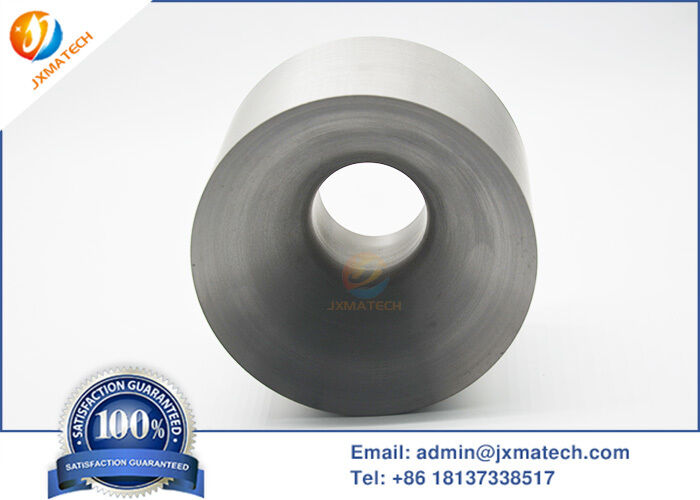
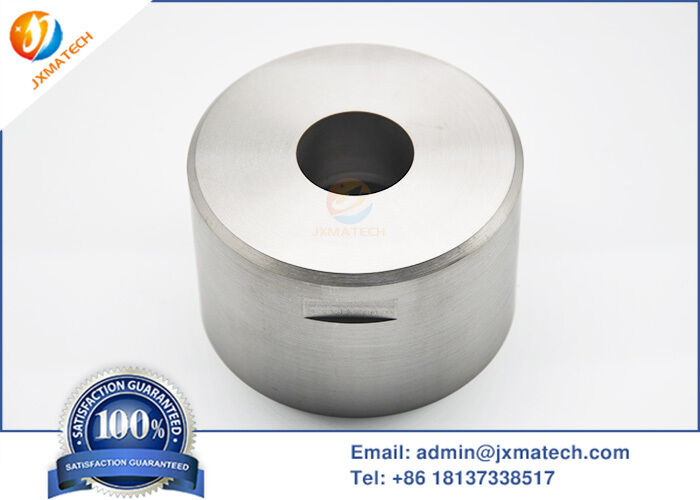
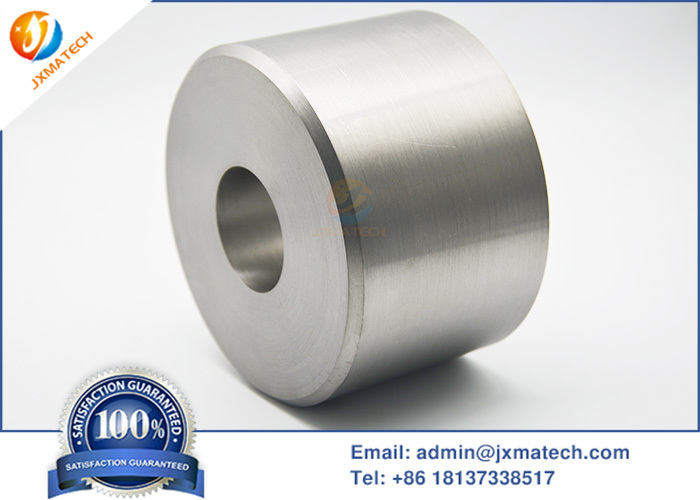

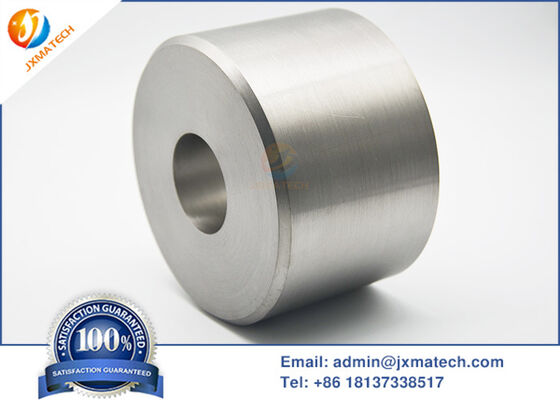
Wolfraam legering cirkel WNiFe

|
Productdetails:
|
|
| Plaats van herkomst: | China |
|---|---|
| Merknaam: | JX |
| Certificering: | ISO 9001 |
| Modelnummer: | YG8/YG15 |
|
Betalen & Verzenden Algemene voorwaarden:
|
|
| Min. bestelaantal: | 2 STUKS |
| Verpakking Details: | Multiplexbox met schokabsorberend schuimbord |
| Levertijd: | 15-25 dagen |
| Betalingscondities: | L/C, D/A, D/P, T/T, Western Union, |
Productomschrijving
Overzicht
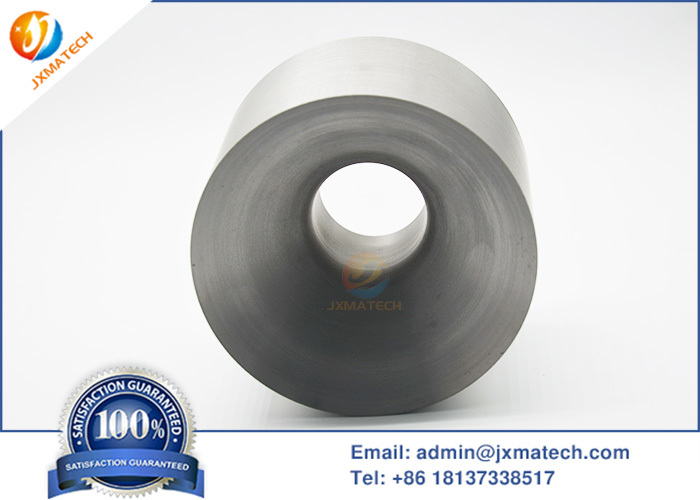
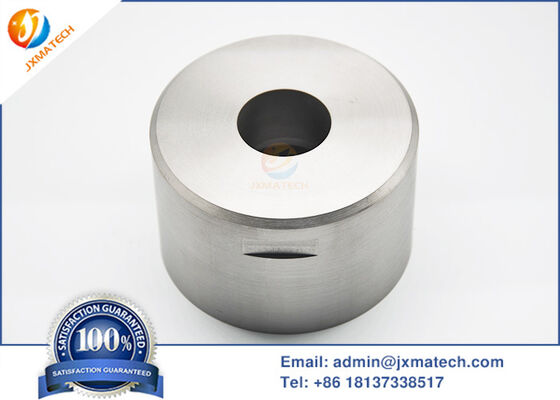
Wolframcarbide-dielen zijn hoogwaardige vormdielen die zijn gemaakt van wolfraamcarbide (WC) als de belangrijkste harde fase en kobalt (Co) en andere materialen als bindmiddelen, met behulp van poedermetallurgie.Ze combineren ultra hoge hardheid, uitstekende slijtvastheid en slagvastheid, en zijn kernapparatuur op het gebied van metaal-plasticverwerking.met een gewicht van niet meer dan 50 kg, en kan de verwerkingsnauwkeurigheid en productie-efficiëntie aanzienlijk verbeteren.
Voordelen van wolfraamcarbide
Specificatie van wolfraamkarbieddielen
| Graad | YG8/YG15/YG20 |
| Overdosis | 10 tot 120 mm |
| Lange | 12 - 50 mm |
| Openingsopening | 1-67 mm |
| Hardheid | ≥ 87HRA |
| Dichtheid | 140,4-15,87 g/cm3 |
| Oppervlakte | Grijpen, polijsten |
| Leveringstermijn |
ASTM, GB |
| Certificering | ISO 9001 |
Gebruik van cementcarbide-doses
1. Voor draadtekening
| YG6X / YG6 | fijne draden, van niet-ijzeren metalen (koper, aluminium, goud, zilver) | Het heeft een fijne korrelgrootte, een hoge hardheid en een goede slijtvastheid, waardoor het geschikt is voor het trekken van draden met een kleine diameter. |
| YG8 | Algemene doeleinden (koolstofstaal, roestvrij staal, middellange draad) | Deze kwaliteit biedt de beste prestatiebalans, met zowel een goede slijtvastheid als een hoge sterkte, waardoor het de meest gebruikte kwaliteit is. |
| YG15 | Staven en buizen (hoge koolstofgehalte staal, lagerstaal) | Met een hoog kobaltgehalte heeft het een uitstekende taaiheid en een hoge druksterkte, waardoor het geschikt is voor trekwerkzaamheden met grote vervorming en hoge spanningen. |
2. Vervalsing van toepassingen
Proces
1 Het wolfraamcarbidepoeder (WC) en het kobalt (Co) bindmiddelpoeder moeten volgens de opgegeven kwaliteitseisen in een precieze verhouding worden geplaatst.
2 Gebruik voor het mengen een kogelmolen om een gelijkmatige poederverdeling en een consistente deeltjesgrootte te garanderen.
3 Het gemengde poeder wordt in de vormholte geladen en het werkstuk wordt gevormd met behulp van koud isostatisch persen om een gelijkmatige dichtheid te garanderen.
4 Hoogtemperatuursintering wordt uitgevoerd in een vacuüm- of waterstofbeschermende atmosfeer om een dichte gecementiseerde carbide blank te vormen uit de WC-deeltjes en de co-bindingsfase.
5 De buitendiameter, de hoogte en het eindoppervlak van de blanke worden bewerkt met behulp van een oppervlakteslijper en een cilindrische slijper om de tolerantie van de buitendiameter te waarborgen.
6 Aanvankelijke micro-gaten worden gecreëerd met elektrische ontladingsbewerking (EDM), waarbij de afwijking van de gatpositie binnen 0,002 mm wordt gecontroleerd, wat een referentie biedt voor de vorming van de vormkern.
7 Diamantenmalen worden gebruikt voor ruw slijpen van de vooraf geboorde gaten, waarbij de diameter van het gat geleidelijk wordt uitgebreid tot bijna de beoogde grootte.
8 Een coatingbehandeling wordt toegepast op hoge precisie, hoge belasting vormen om slijtvastheid en levensduur te verbeteren.
9 Uitgebreide kwaliteitsinspectie gedurende het gehele proces, met inbegrip van hardheidstests, dimensie-inspecties, visuele inspecties en niet-destructieve tests,zorgt ervoor dat het product voldoet aan de internationale exportnormen.
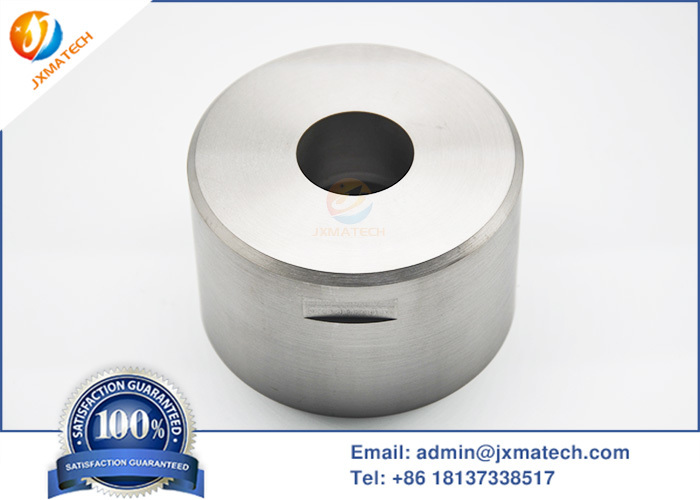
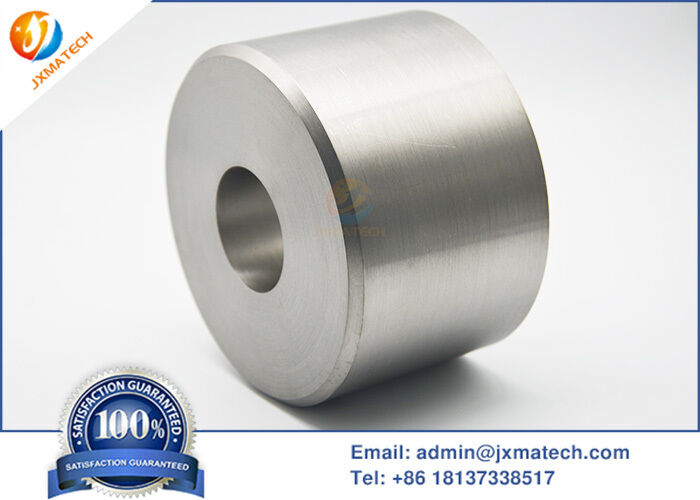
Wolframcarbide-dichten Foto's
Verpakking
Ga Uw Bericht in

Het BETOVEREN van MATECH is een deskundige leverancier op de metaaloplossing. Vooral op de producten zoals Wolframlegering, Wolframkoper, Titanium, Zirconium, Vanadium, Hafnium, Sputterend doel, Nobel-metaal enz.,
| JINXING MATECH CO LTD |
| DE WEG VAN NO.57 KEXUEDADAO |
| 86-371-18137338517 |
| admin@jxmatech.com |